What to check before booking a desert buggy experience
Booking a desert buggy experience is easy to do in a few minutes, but the details you check before paying make a real difference. A buggy ride is not the same as a normal road trip. Terrain, safety rules, driving ability, timing and rental terms all shape the day. A little care at the booking stage helps avoid surprises when you arrive.
The best approach is to treat the booking as a short review of what is included, what is expected from you and what happens if plans change. Read the listing or confirmation carefully, not just the headline. If anything is unclear, ask before the day rather than at the start point, when choices are limited and time is already ticking.
Confirm the type of ride you are actually booking
Desert driving can mean different things. Some bookings are for a self-drive buggy session, some are for a guided tour, and some combine driving with other desert activities. These are not interchangeable. A guided tour may suit a first timer who wants structure and a set route. A self-drive option may suit someone comfortable with handling a vehicle in sand and following instructions in a group setting.
Check the length of the session and what the time covers. Ask whether the clock starts at arrival, after the safety briefing or when the vehicle is ready. This matters because a full-day rental and a short session are very different commitments. Also check whether there are rest stops, photo stops or scheduled driving segments. A clear plan helps you judge whether the booking matches your energy, schedule and expectations.
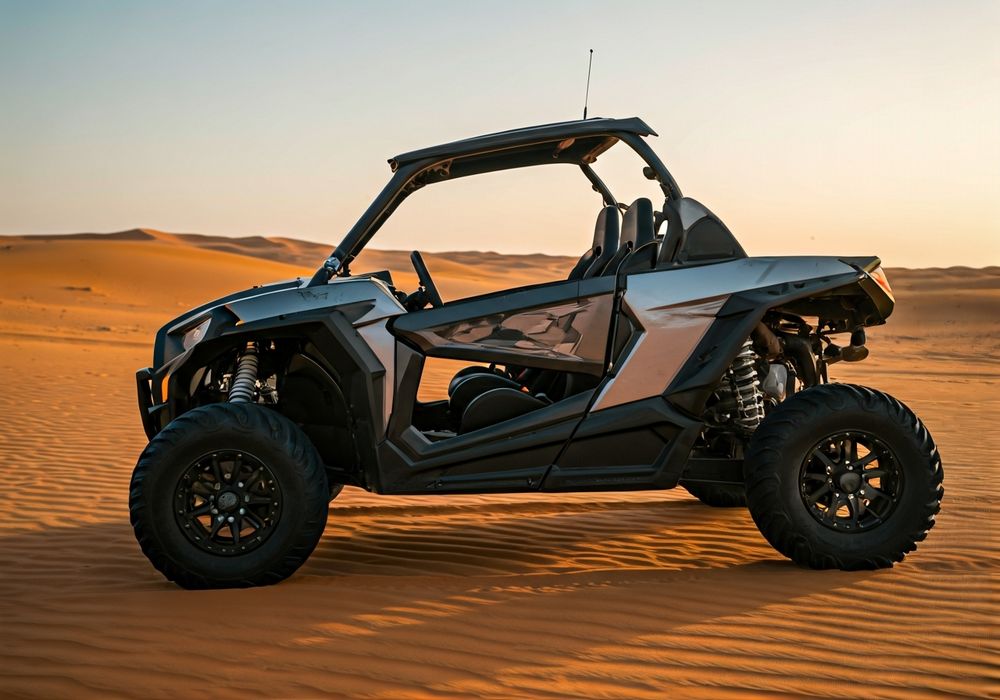
If the listing mentions a specific buggy model, look at what that usually means for the experience. Seat count, control layout, power and size can affect comfort and confidence. Two people may fit in some vehicles, while others are built for one driver. If you plan to bring a child or a passenger, confirm that the booking allows it and that suitable seating is provided. Do not assume that everyone in the group can rotate as driver.
Check who is allowed to drive
Driving rules are one of the most practical points to settle early. A driving license may be required, and the type of license accepted can vary by booking terms. Check the minimum age for drivers and whether an experienced driver must be present for younger participants. If a license needs to be shown on the day, keep a valid copy accessible rather than buried in luggage.
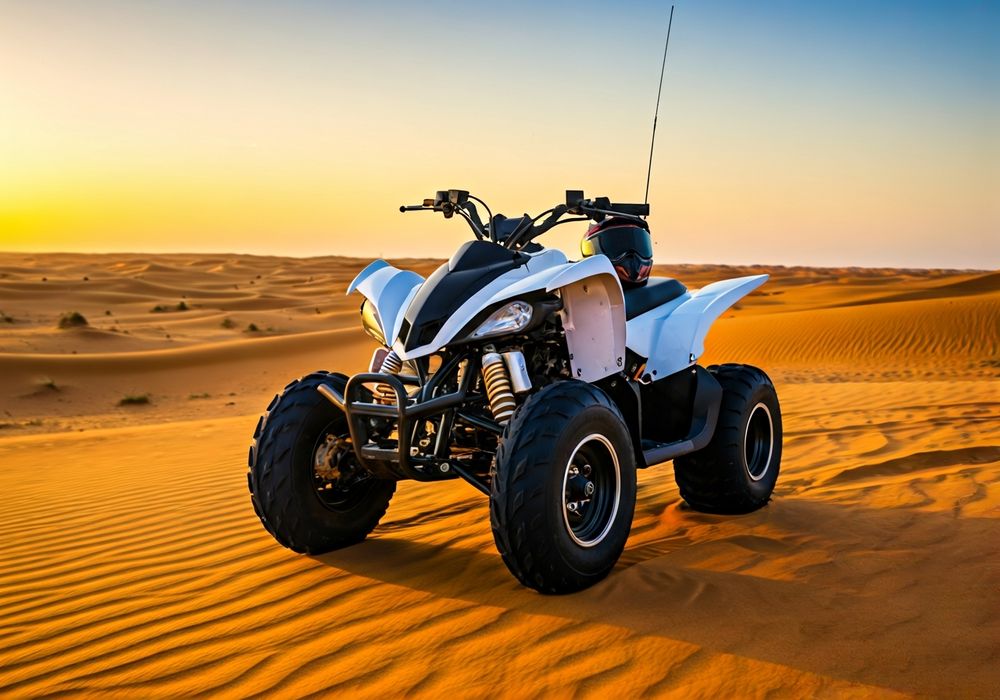
It is also worth checking whether driving is continuous or shared. Some people expect to drive the whole time, only to find that the route has designated drivers or that switching is limited. Ask how the group is managed and what the guide does if a driver struggles. A good answer should make safety and control clear, not just promise plenty of driving time.
Be honest about ability. Sand driving asks for smooth steering, patience and careful throttle control. Previous driving experience on roads does not always prepare someone for loose surfaces, dunes or changing light. If the booking includes training or a briefing, read what it covers. A proper safety briefing should explain hand signals, stopping distance, group spacing and what to do if the vehicle gets stuck.
Read the inclusions and exclusions carefully
Many disappointments come from small assumptions. One booking may include fuel, protective gear, water and transport to the start point. Another may list only the vehicle time. Compare the details line by line, especially if several options look similar at first glance.
Pickup service is a useful example. Check where pickup starts, whether it is round trip, and whether there are limits on timing or location. If transport is not included, work out how you will reach the meeting point and how you will return afterward. Desert start points can be awkward to reach without planning, especially in low light.
Food, drinks and entry-style extras can also change the value of a booking. If a package includes a stop at a camp or a short break, check whether meals and refreshments are part of the price or available separately. This is not just about cost. It affects pacing, comfort and how long the whole outing takes.
When comparing buggy rental dubai options, look beyond the advertised duration and check what support is included during the session. Recovery help, route guidance and clear communication matter more than a vague promise of adventure. A slightly shorter ride with proper structure can be a better choice than a long session with unclear arrangements.
Understand the deposit and damage terms
A damage deposit is common in vehicle rentals, and it should be understood before booking. Read when the deposit is taken, when it is released and what kind of damage can lead to a deduction. The key point is fairness and clarity. Terms should explain who assesses damage, what evidence is used and whether normal wear from desert driving is treated differently from careless damage.
Ask about the condition record. Before taking a vehicle, there should be a simple way to note existing scratches, dents or worn parts. Photos can help, but the process should be clear and agreed in advance. If the terms say the driver accepts the vehicle as it is with no record at all, pause and ask questions.
Insurance or cover is another point to read closely. Check what is covered, what is not, and whether an excess applies. Do not rely on assumptions from car hire or from another country. Desert buggy use has its own risks, and the wording should match the activity. If the answer is hard to understand, request a plain explanation before the day.
Look at safety standards, not just the vehicle
A buggy is a recreational vehicle, so safety depends on both equipment and procedure. Check whether helmets, gloves or other basic protective items are included, and whether they are available in the right sizes. Ask about seat belts or harnesses and how passengers are secured. If the booking is for children, confirm age rules and whether any child-specific equipment is provided.
The safety briefing should happen before driving begins. It should cover how to stop, how to follow the route, how to keep distance from other vehicles and what to do if someone signals a problem. If the briefing is rushed or skipped, that is a warning sign. Clear rules are not bureaucracy, they are what keep a group predictable on changing terrain.
Also ask how the session handles heat and fatigue. Desert conditions can be tiring even for fit people. Water, shade and sensible breaks are practical details, not luxuries. If the booking is during a hotter part of the day, check whether there is a cooler schedule or a shaded meeting area. Comfort affects concentration, and concentration affects driving.
Plan around timing and group size
Time of day changes the feel of a desert drive. Morning light can be sharper and cooler, while late afternoon may bring softer views and a different pace. Check what time the booking starts and how long the full experience takes from arrival to departure. Add time for paperwork, briefing, transport and any photo stops. A session listed as one hour may occupy much more of your day.
Group size also matters. A smaller group may feel calmer and allow clearer communication. A larger group can be lively but may involve more waiting, more queueing and tighter route control. Ask whether the ride runs with a mixed group and whether private options exist. This is especially useful if you are booking for a family, a couple or a group with different driving confidence.
Weather can affect plans. Sand conditions shift after wind or rain, and some routes may be changed for safety. Check the cancellation and rescheduling terms before booking, including the deadline for changes and what happens if the operator alters the route or timing. Clear terms protect both sides and reduce stress on the day.
Know what to bring and what to leave out
Once the booking is clear, think about personal preparation. Wear closed shoes, breathable clothing and eye protection that fits well. Sunglasses can help with glare, but they need to stay secure while driving. Sun protection is sensible in open desert areas, and a small bag for essentials is easier to manage than loose items.
Avoid carrying anything that can fly out or distract you. Phones, cameras and loose accessories should be secured or left packed during driving. If you want photos, check whether there is a designated stop. This keeps attention on the route and protects belongings from dust and movement.
Eating and drinking lightly before the ride usually helps with comfort. Avoid arriving tired, especially if you have had a long travel day. If you are unsure about your fitness for the activity, choose a shorter session or a guided option with clear support. The right choice is the one you can enjoy safely, not the one that sounds most intense.
Ask direct questions before you commit
A booking should leave you with a clear picture of the day. Before confirming, make sure you know who drives, what is included, how safety is handled, what the damage terms say and how changes are managed. If several answers are vague, consider another option. Clear information is often a sign that the experience is well organised.
Good questions are simple ones. What happens on arrival? What is included in the session time? Is a license needed for every driver? What does the damage deposit cover? Is the route guided? How many people share the ride? The answers give you a practical view of the booking and help you compare options without relying on polished descriptions.
Desert buggy driving can be a strong addition to a desert trip when the details are right. Check the terms, match the ride to your ability and give safety as much weight as excitement. That way, the day starts with confidence and fewer unwelcome surprises.